
Definition
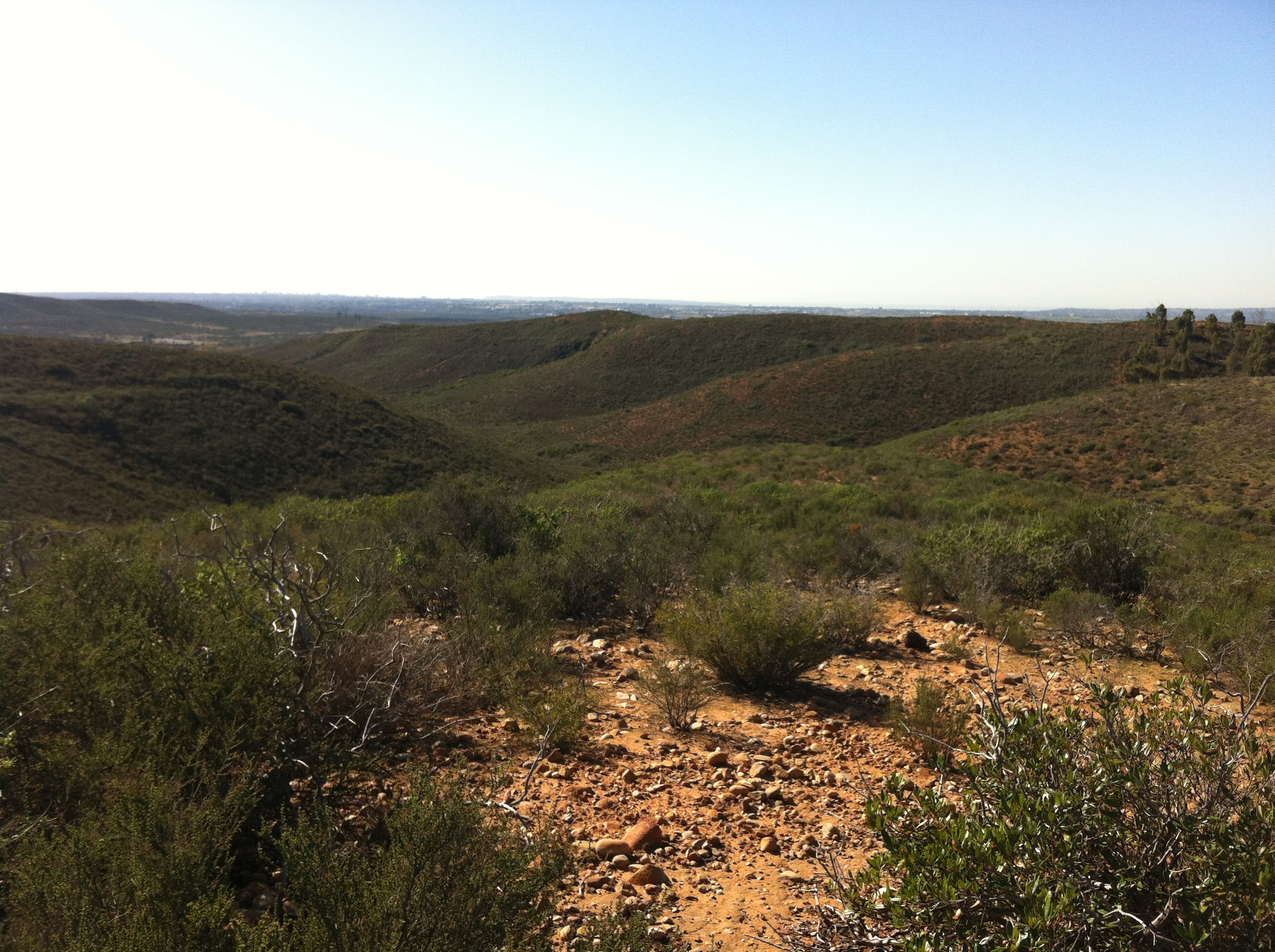
The Elliott Chaparral Reserve is located at the eastern tip of the watershed and is managed by the University of California.
A watershed is a geographic area that drains to a common body of water through creeks, rivers, and the storm drain system. We all live in a watershed, and our individual actions can directly affect its environmental and recreational attributes.
Geography/Map
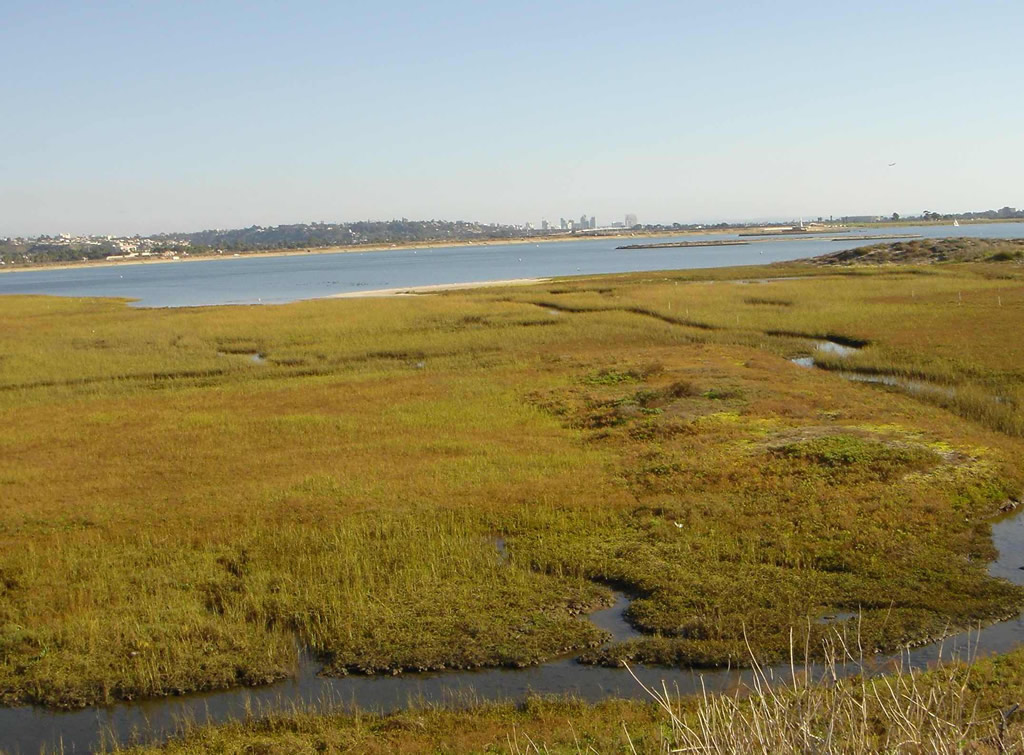
The Kendall Frost marsh is located near the mouth of Rose Creek where the creek enters Mission Bay. It is an ecological treasure managed by the University of California. Photo by San Diego Earthworks
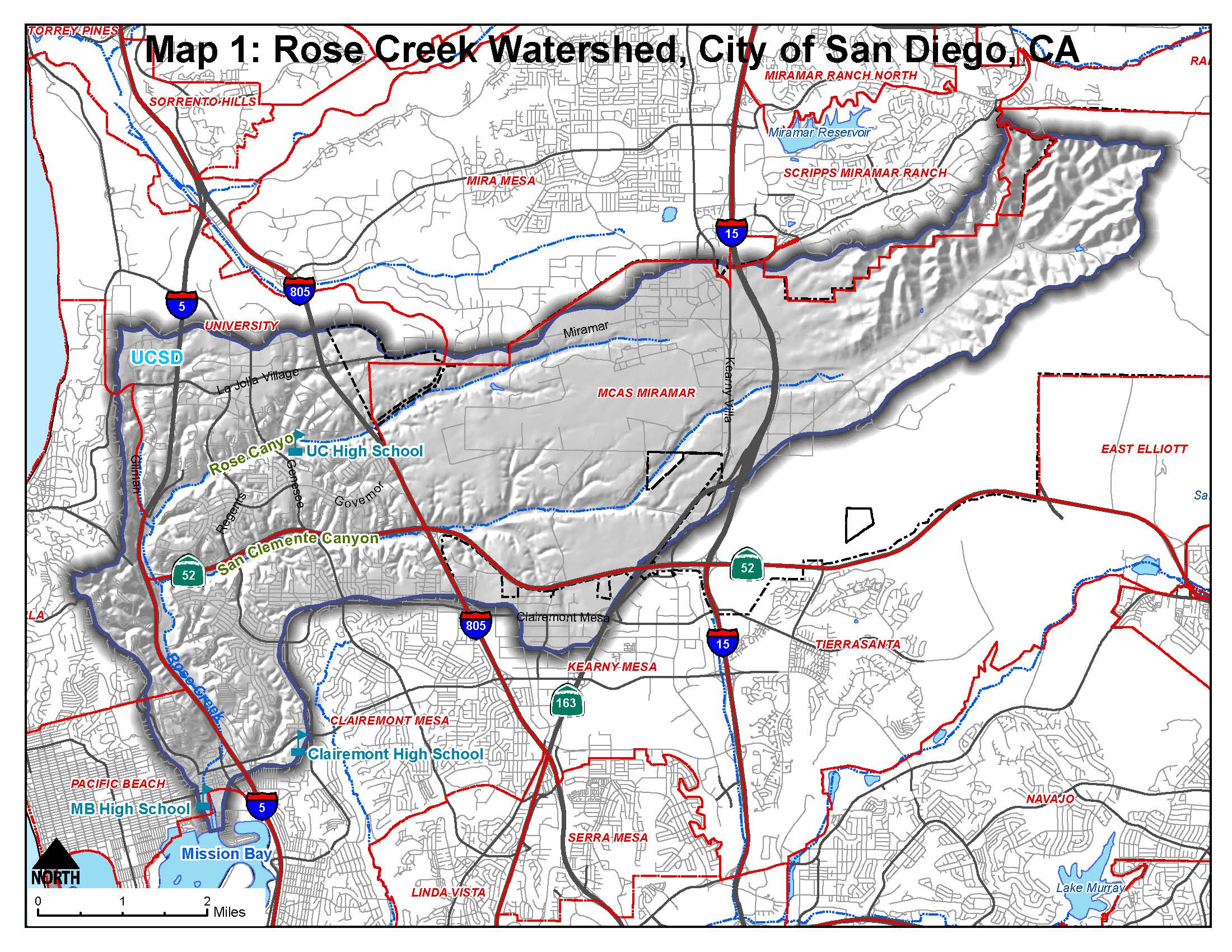
The Rose Creek Watershed drains a 23,427-acre or 36-square mile area into Mission Bay. The main natural features that make up this watershed include Rose and San Clemente Canyons and their tributary canyons, including Stevenson and Lakehurst Canyons. Technically a “sub”watershed”, the Rose Creek Watershed is part of the larger Penasquitos Hydrologic Unit . This is one of twelve hydrologic units in San Diego County .
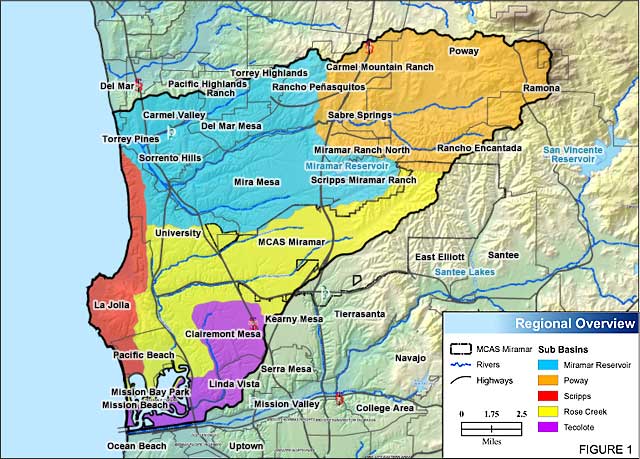
Click here to view a map of the Rose Creek Watershed.
Population
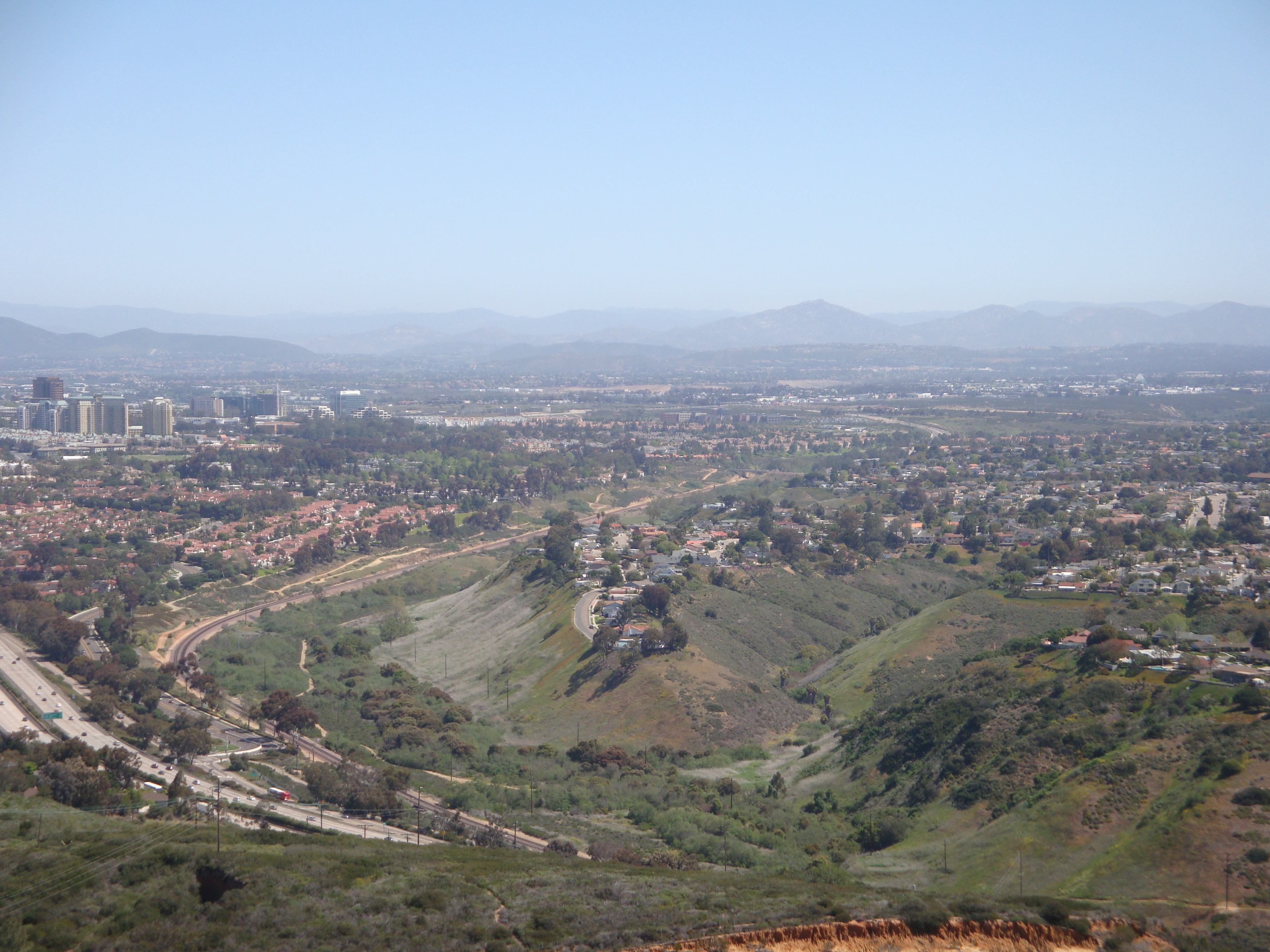
A view from Mt. Soledad looking east over the Rose Canyon Open Space Park and the Golden Triangle. Photo by The Chaparral Lands Conservancy.
Approximately 100,000 people live in this watershed, which transects portions of Scripps Ranch, Mira Mesa, Kearny Mesa, La Jolla, Pacific Beach, Clairemont Mesa, and almost the entirety of University City. The watershed includes the core of the “Golden Triangle”, the largest commercial area and employer (with over 100,000 employees and over 4,000 employers) in the San Diego region. A portion of the University of California, San Diego is also within the watershed’s boundaries.
Ownership
At 9.852 acres, the Miramar Marine Corps Air Station is the largest property owner. Individual private property owners hold the next largest land area at 5,937 acres.
Benefits
The Rose Creek Watershed has been found to contain water with “beneficial uses” as defined by the federal Clean Water Act and a state law, the Porter-Cologne Act , which established a comprehensive program for the protection of the beneficial surface and ground waters of California. In San Diego County, that protection effort is led by the San Diego Regional Water Quality Control Board in its Water Quality Control Plan , also known as the San Diego Basin Plan . The San Diego Basin Plan has designated the Rose Creek Watershed with seven beneficial uses, which include:
- Industrial service supply such as for fire protection
- Contact and non-contact water recreation such as swimming, wading or sight-seeing
- Supporting habitat for native species requiring both warm and cold freshwater
- Supporting habitat for terrestrial (land) species
- Supporting habitat for rare, threatened or endangered wildlife species
Our thanks to the San Diego Regional Water Quality Control Board, Golden Triangle Chamber of Commerce, Greater San Diego Chamber of Commerce and UCSD for their help with the information in this section.